Showing all 97 resultsSorted by latest


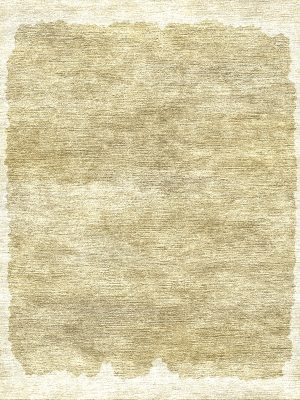
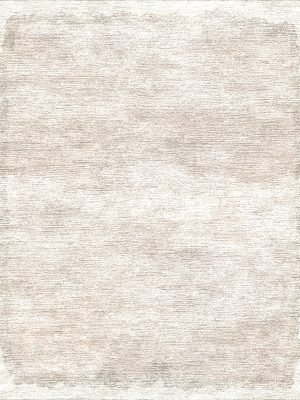




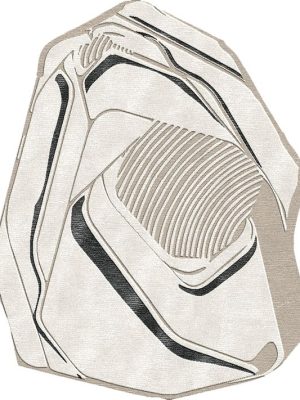
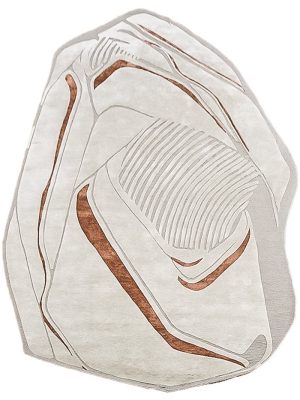
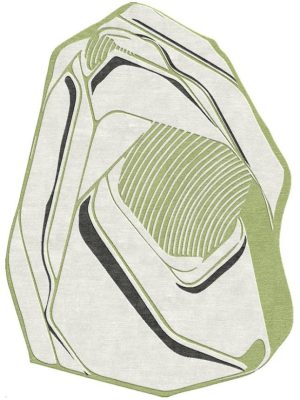



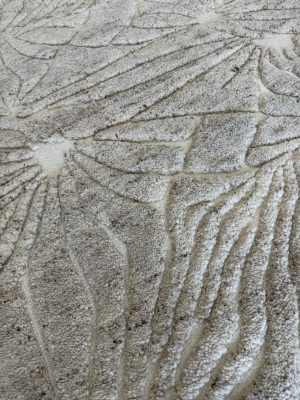


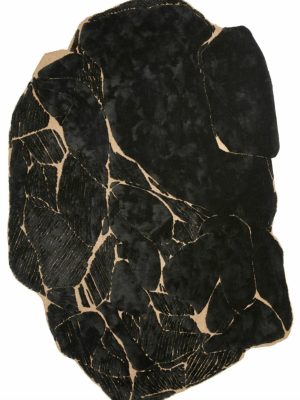


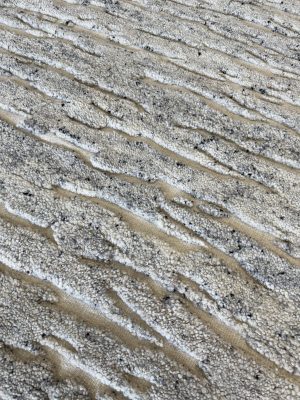

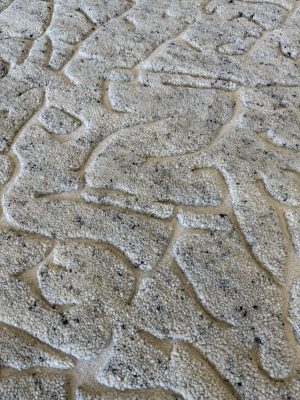


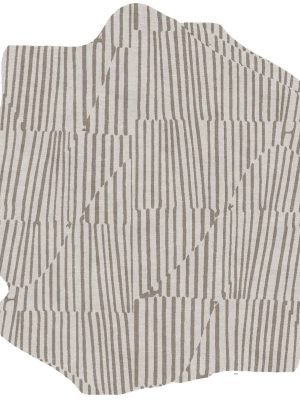


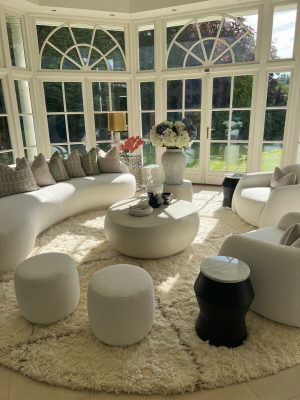

An organic rug is made slowly, by hand, and designed to soften a room. Instead of strict geometry, it offers irregular forms, fluid lines and nature-inspired patterns that recall water, stone, clouds and leaves.
In our collection these designs are woven in Himalayan and Bikaner wool, often with silk, by skilled weavers in Nepal and Rajasthan. The result is a rug that feels calm, balanced and personal, as at home in a minimal contemporary room as in a classically furnished one.
Our organic collection brings together tonal gradients, softly bordered designs, marbled abstracts and sculpted textures. Each rug is chosen for the quality of its materials, the fluency of its drawing and the balance of its colour, so that it feels considered in your home long after the day it arrives.
An organic rug is a hand-made rug defined by its design rather than its shape alone: flowing lines, irregular forms and natural, painterly patterns that move away from symmetry and strict repeats.
In our collection they are hand-knotted, hand-loomed or hand-tufted in wool, often blended with silk for sheen and fine detail.
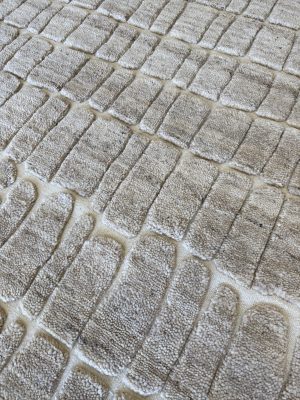
Because the pile is cut and carved by hand, the surface is soft, refined and full of subtle variation.
Organic designs are chosen for rooms with strong architectural lines, structured furniture or minimal schemes, where a softer pattern brings movement and warmth without overwhelming the space.
Rug makers have always looked to nature. Persian garden carpets reproduced flowerbeds, streams and trees in wool and silk, and weavers across Asia drew on the same living forms for centuries. The modern organic rug keeps that inspiration but sets aside strict symmetry.
Influenced by abstract art, landscape and natural materials such as marble and stone, it uses soft gradients, fluid outlines and irregular patterns to create a calmer, more personal look. Today the style is made possible by hand-knotting skills that allow every curve and colour shift to be drawn precisely.
The character of our organic rugs begins with their fibres. Himalayan highland wool is rich in lanolin, which makes it soft underfoot and naturally resistant to liquid stains, while Bikaner wool gives a lustrous, supple pile.
Many designs add Chinese silk or bamboo silk, which catches the light and brings a subtle glow to the pattern. In Nepal, weavers work in the Tibetan knot, wrapping the yarn around a metal rod and cutting it to build a dense, even pile.
In Rajasthan, designs are knotted, hand-loomed or hand-tufted, and often hand-carved to high and low pile heights, which gives the surface a sculpted, painterly depth. Knotting alone can take months, depending on size, design and knot quality.
The word organic describes how a rug is drawn, not only how it is shaped. A tonal organic rug keeps pattern quiet and lets texture and colour do the work, while an expressive organic design uses bolder forms and contrast. If you need a specific size, shape or colour, our design team can adapt many designs to your room.
Tibetan-knot rugs are measured in knots per linear foot, typically from 60 to 100. Knot count does not significantly change how long a rug lasts. What it changes is the level of detail: higher counts allow finer lines and crisper curves, while lower counts suit bolder forms and a deeper, softer pile.
For a fuller explanation, see our rug quality guide.
Turn the rug over. In a hand-knotted rug the design is visible on the back, and the knots are slightly irregular in size and shape. There is no glue and no canvas or jute backing, which are the signs of a hand-tufted rug. A grid of white threads or perfectly uniform edges points to machine making.
Be cautious, too, about silk: genuine silk is expensive, and unusually low prices usually mean viscose, sometimes sold as “art silk”, which wears poorly and is easily marked by water. Ask any seller about the fibres, and expect a clear answer.


A rug looks different in every room, and an organic design more than most. Wool absorbs light and gives colour depth; silk reflects it and brings a soft glow that changes as you move around the room.
Gradients and carved pile shift with the angle of the light, so the same rug can look softer in the morning and richer in the evening. North-facing rooms tend to cool a colour, while warm evening light deepens it. A swatch or a photograph can only tell you so much. This is why we bring the rugs to you.
In your own light, next to your own furniture and finishes, the right rug is usually clear within minutes.
Vacuum once or twice a week at low to medium suction, in the direction of the pile. Blot spills straight away with a clean, dry cloth, and avoid soaking designs that include silk, because bamboo silk can mark with water. Choose a specialist rug cleaner for any deeper clean.
Our full luxury rug care guide covers wool, silk and storage in more detail.
A hand-knotted rug is made to be lived on, and to last. Wool is resilient, the knots are tied individually, and if a rug is damaged it can be cleaned and sections can be rewoven. Hand-knotted rugs that are more than two hundred years old still turn up at auction.
A well-chosen rug keeps its beauty, and its worth, long after a machine-made alternative has been replaced.
Texture, colour, and scale can look different once an organic rug is placed inside your own interior, so it helps to view the piece in context before deciding. Book a Rug Home Viewing in London to see your chosen design in natural light against your existing furnishings.
In our collection, organic describes the design: flowing lines, irregular forms and nature-inspired patterns rather than strict geometry. The rugs are hand-made in wool, often with silk.
Mostly. Most of our organic rugs are hand-knotted in Nepal and India, while selected designs are hand-loomed or hand-tufted. Each product page states the construction.
Mainly Himalayan or Bikaner wool, often with Chinese silk or bamboo silk. The wool is soft, resilient and naturally stain-resistant thanks to its lanolin, and the silk adds sheen and detail.
Tibetan-knot rugs are measured in knots per linear foot, typically from 60 to 100. A higher count allows finer detail; a lower count suits bolder forms. Knot count does not significantly affect how long a rug lasts.
Our organic rugs start from £980, with the price depending on size, design, materials and knot quality. A bespoke rug is quoted individually.
Yes, a little. Loose fibres from the knotting process are released during the first months, which is normal for a new wool rug. Vacuum gently and a little more often at first, and trim any stray tufts with scissors rather than pulling them.
Yes. Our complimentary Home Trial brings a curated selection of rugs and samples to your home in London, Surrey and across the UK, so you can judge the colour, texture and size in your own light.
Yes. We make bespoke rugs in any size and shape, with over 4,000 colour poms available or a colour matched to your sample. Bespoke orders are made to order and cannot be returned.
You can return an unused rug in its original condition within 28 days of delivery. Bespoke and clearance items are not returnable. Hand-knotted rugs may vary in size by up to 12 cm from the stated dimensions.
Vacuum gently at low to medium suction without a beater bar, blot spills promptly with a clean, dry cloth and never soak or rub, and have the rug cleaned by a specialist every five to ten years. See our care guide for more.