What Is a Transitional Rug?
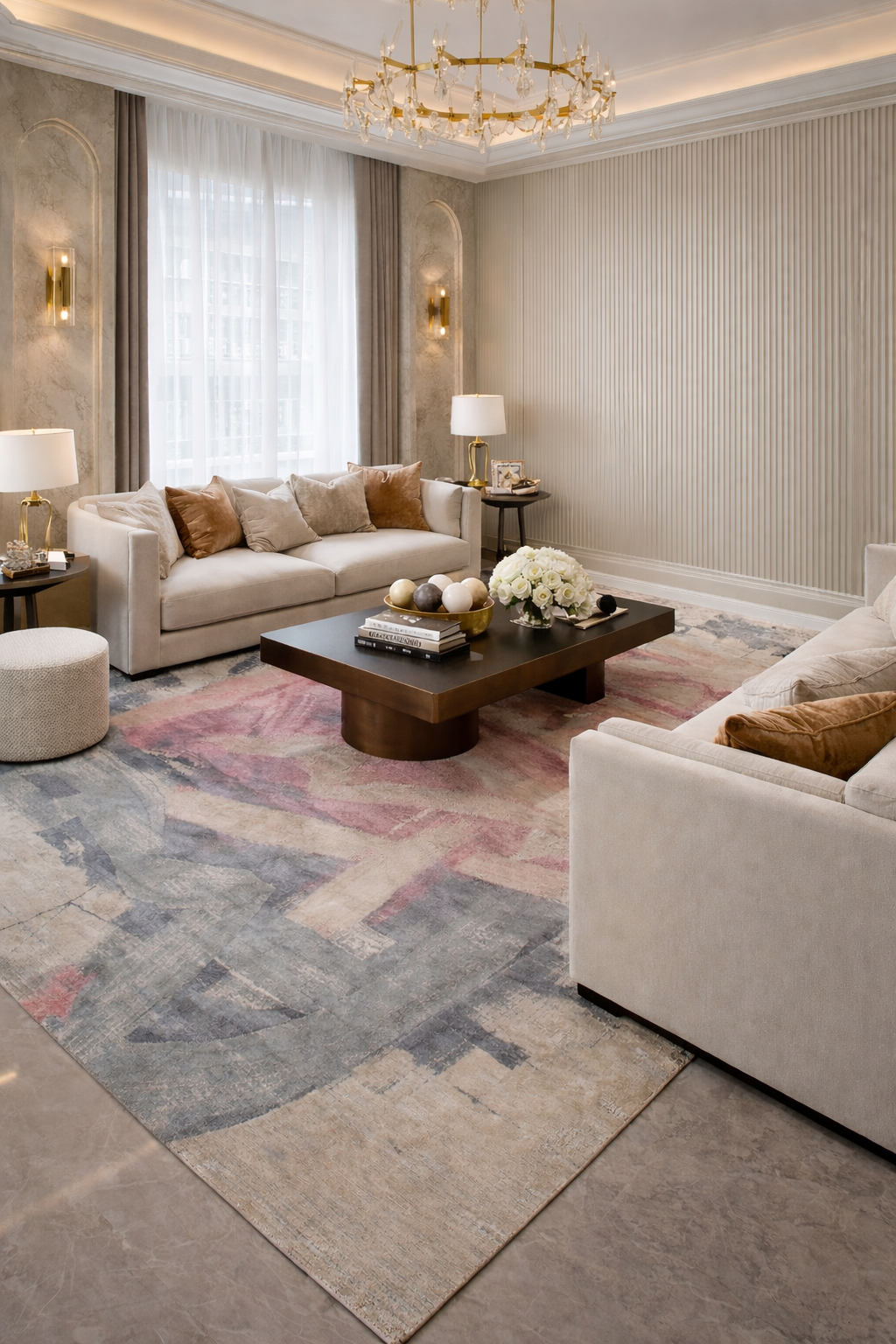
A transitional rug is a rug that combines a traditional pattern with a contemporary palette, texture or scale. The design keeps a recognisable classic structure, such as a central medallion, a border or an all-over floral field, while colour and finish follow modern interiors.
The term comes from interior design, where "transitional" describes a style between traditional and contemporary. A transitional rug applies the same balance to the floor.
What Are the Main Features of Transitional Rugs?
Transitional rugs share 5 main features:
- Classic motifs: medallions, florals, arabesques and borders taken from Persian and oriental rugs.
- Muted palettes: ivory, beige, grey, silver, taupe and soft blue instead of saturated red and navy.
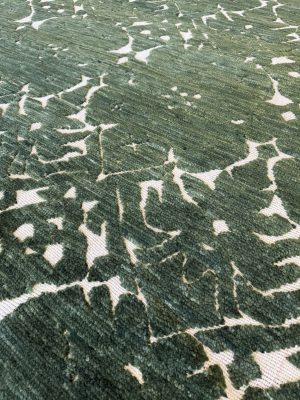
- Faded effects: washed, distressed or abrash surfaces that make the pattern appear aged or partly erased.
- Adjusted scale: motifs enlarged, simplified or spaced out so the design reads cleanly in a modern room.
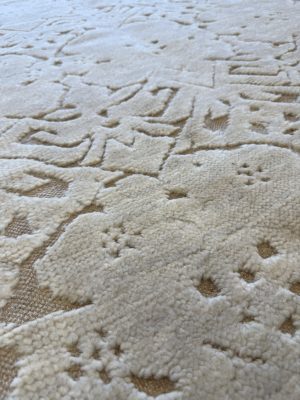
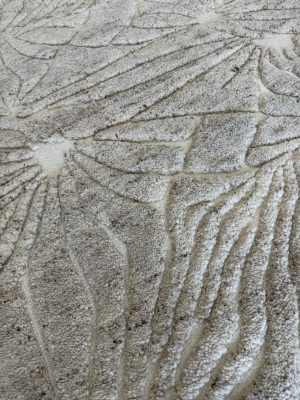
- Contrasting textures: wool and silk combined so the pattern stands out through sheen rather than strong colour.
What Is the Difference Between Traditional, Transitional and Contemporary Rugs?
The difference lies in how much of the classic pattern each style keeps. Traditional rugs keep it intact, transitional rugs reinterpret it, and contemporary rugs replace it with abstract or geometric designs.
| Feature |
Traditional rugs |
Transitional rugs |
Contemporary rugs |
| Pattern |
Classic motifs in full detail |
Classic motifs, simplified or faded |
Abstract, geometric or plain |
| Colour |
Rich reds, blues and ivory |
Muted neutrals and soft tones |
Bold or tonal palettes |
| Surface |
Even, dense pile |
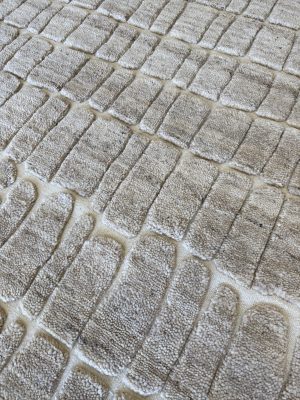
Washed, distressed or mixed textures |
Varied pile heights and textures |
| Interiors |
Period and formal rooms |
Rooms mixing classic and modern pieces |
Modern and minimalist rooms |
Explore our Luxury Traditional Rugs for classic designs, or our Luxury Contemporary and Modern Rugs for fully modern pieces.
Which Designs Are Included in Our Transitional Rugs?
Our transitional rugs include 3 main design groups:
- Reinterpreted Persian designs: Tabriz, Isfahan, Kirman, Nain, Sarouk and Sultanabad patterns in lighter, softer colourways. Explore our Persian Rugs for more designs rooted in Persian rug-making.
- Washed vintage designs: rugs such as Persia Reloaded, where the original colours are washed out and re-coloured in a palette suited to both traditional and contemporary interiors. Explore our overdyed rugs.
- Berber-inspired designs: simplified tribal motifs in natural and neutral tones. Explore our Benniz Berber Rugs.
Which Colours Work Best for Transitional Rugs?
Neutral and muted colours work best for transitional rugs, because they let a classic pattern sit comfortably in a modern room.
Where Do Transitional Rugs Work Best?
Transitional rugs work best in homes that mix period architecture or classic furniture with modern pieces.
- As living room rugs, they connect a traditional fireplace or antique furniture with a contemporary sofa.
- As dining room rugs, a medallion or framed design centres the table while a muted palette keeps the room calm.
- As bedroom rugs, ivory, grey and soft blue tones add pattern without visual weight.
- As hallway rugs, a border or repeat pattern guides the eye along the space and links a period entrance to modern interiors.
How Do You Choose the Right Transitional Rug?
Choose a transitional rug in 4 steps: size, pattern, colour and material.
- Measure the room and furniture layout first; the rug size determines how much of the pattern stays visible.
- Match the pattern to the room: stronger medallions for formal rooms, faded or all-over designs for relaxed spaces.
- Select a palette that picks up the flooring, walls and upholstery.
- Compare materials: wool gives texture and durability, while silk adds sheen and highlights the pattern.
Can You View Transitional Rugs at Home in London?
Yes. Bazaar Velvet offers a Rug Home Viewing service for clients in London and the surrounding area, and our showroom is in Weybridge, Surrey. Viewing a transitional rug in the room shows how its muted colours and faded pattern respond to your light, flooring and furniture.
Arrange a Rug Home Viewing in London.
Bespoke Transitional Rugs
Many transitional designs can be made in bespoke sizes and colours when a stock rug does not fit the room. Our in-house design team adapts pattern scale, palette and dimensions for residential and interior design projects. The result remains a transitional rug: a traditional pattern in contemporary colours and proportions.
Explore our Bespoke Rugs.